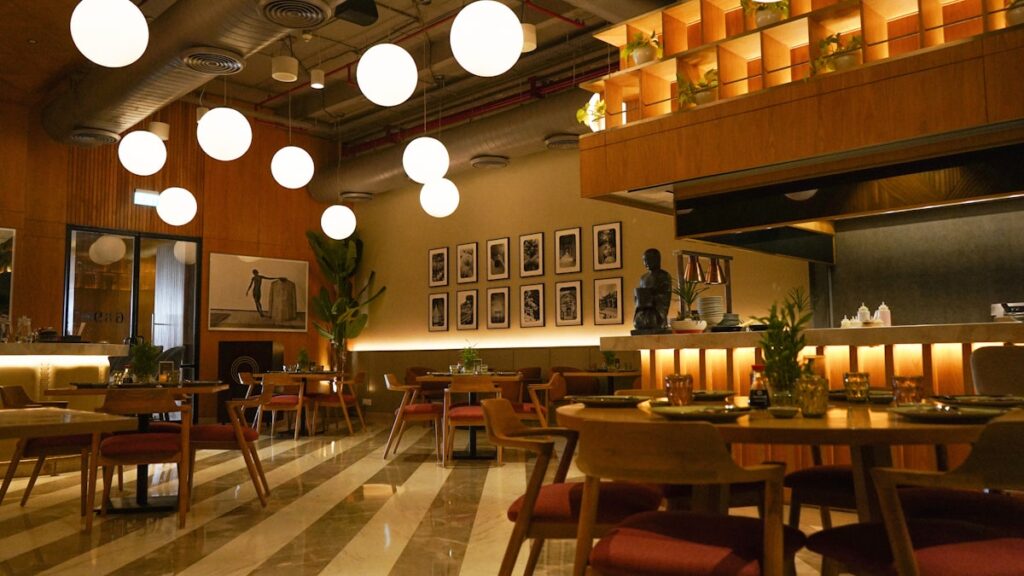
To truly thrive in today’s competitive culinary landscape, understanding how to rank a restaurant higher on Google is paramount for attracting new customers and ensuring your establishment stands out from the crowd.
In an era where most diners search online for their next meal, a strong digital presence isn’t just an advantage – it’s a necessity. This comprehensive guide will walk you through the essential strategies for boosting your restaurant’s visibility on Google, focusing on practical steps you can implement today. From optimizing your Google Business Profile to leveraging online reviews and refining your website, we’ll cover the critical components of effective restaurant marketing that drive real results. By mastering these techniques, you’ll not only improve your search engine rankings but also cultivate a loyal customer base, turning curious online searchers into satisfied, repeat diners.
Optimize Your Google Business Profile for Maximum Visibility
Your Google Business Profile (GBP) is the cornerstone of local SEO for restaurants, acting as your digital storefront and often the first impression potential customers have of your establishment.
Think of your GBP as your most important online asset for local search. It’s the information box that appears on Google Search and Maps when someone looks for restaurants in your area, like “best pizza near me” or “Italian restaurant in Austin, Texas.” An incomplete or inaccurate profile can mean missed opportunities, as Google prioritizes businesses with comprehensive and verified information. Here’s how to make sure your profile is optimized to its fullest potential:
- Claim and Verify Your Profile: This is the crucial first step. If you haven’t already, claim your restaurant’s profile and go through Google’s verification process. This often involves receiving a postcard with a verification code at your physical address. Without verification, you can’t fully manage your listing.
- Accurate NAP Information: NAP stands for Name, Address, Phone number. Ensure this information is identical across all your online listings – your website, social media, and other directories. Inconsistencies can confuse Google and hurt your ranking. For instance, if your address is “123 Main St.” on your website, don’t use “123 Main Street” on your GBP.
- Detailed Business Description: Use this section to highlight what makes your restaurant unique. Are you known for your farm-to-table ingredients, your vibrant atmosphere, or your award-winning chef? Include relevant keywords that potential customers might use, such as “vegan options,” “outdoor seating,” or “private dining.”
- Categorize Correctly: Choose the most specific categories that apply to your restaurant. For example, instead of just “Restaurant,” opt for “Italian Restaurant,” “Seafood Restaurant,” or “Diner.” You can select multiple categories.
- High-Quality Photos: Visually appealing photos are critical for a restaurant. Upload professional photos of your dishes, interior, exterior, and even your staff. Keep them fresh and update them regularly. Customers often make dining decisions based on how appetizing the food looks.
- Services and Menu: Use the dedicated sections to list your services (e.g., catering, delivery, takeout) and link directly to your online menu. An accessible menu is a huge convenience for potential diners.
- Business Hours: Keep your hours updated, including special holiday hours. Nothing is more frustrating for a customer than showing up to a closed restaurant.
- Posts and Special Offers: Regularly use the “Posts” feature to share updates, daily specials, upcoming events, or promotions. This keeps your profile active and provides fresh content for Google to index.
By meticulously optimizing each section of your Google Business Profile, you create a powerful, data-rich listing that Google can confidently present to users, significantly improving your chances of appearing higher in local search results and attracting more diners.
Cultivate and Manage Online Reviews for Trust and Ranking Power
Online reviews are incredibly influential for restaurants, serving as social proof that directly impacts customer trust and significantly boosts your local SEO for restaurants.
In the digital age, a restaurant’s reputation is often defined by its online reviews. Positive reviews signal to both potential customers and Google that your establishment is reputable, offers quality food, and provides excellent service. Conversely, a lack of reviews or a string of negative ones can deter diners and harm your search ranking. Here’s a strategic approach to cultivating and managing your online reviews:
- Actively Solicit Reviews: Don’t just wait for reviews to happen. Encourage satisfied customers to leave feedback. You can do this by:
- Adding a direct link to your Google review page on your website, email signatures, and even on your physical receipts.
- Placing tasteful “Review Us on Google” signs or QR codes near your host stand or on tables.
- Training your staff to politely ask happy customers for a review as they leave.
- Respond to All Reviews, Positive and Negative: This demonstrates that you value customer feedback and are attentive to their experience.
- Positive Reviews: Thank the customer for their kind words. A simple “Thank you for dining with us! We’re glad you enjoyed your experience” goes a long way.
- Negative Reviews: Respond professionally and empathetically. Acknowledge their concern, apologize for any shortcomings, and offer a solution or invite them to discuss the issue offline. For example, “We’re truly sorry to hear about your experience. We take all feedback seriously and would appreciate the opportunity to make things right. Please contact us directly at .” Never get into a public argument.
- Monitor Review Platforms Consistently: Regularly check your Google Business Profile, Yelp, TripAdvisor, and any other relevant review sites. Tools exist that can help aggregate and notify you of new reviews.
- Learn from Feedback: Use the insights from reviews to improve your operations, menu, or service. If multiple customers mention slow service or a specific dish falling short, address those issues internally.
- Encourage Detail in Reviews: While you can’t control what customers write, a review that mentions specific dishes, the ambiance, or staff members is more valuable than a generic “It was good.” These details provide rich, keyword-laden content that can help your how to rank a restaurant higher on Google efforts.
Google considers the quantity, quality, and recency of reviews as significant ranking factors. A steady stream of positive, detailed reviews, coupled with thoughtful responses, not only builds trust with potential customers but also signals to Google that your restaurant is active, relevant, and customer-focused.
“In today’s digital landscape, a restaurant’s online reputation is its most valuable currency. Actively managing and responding to reviews isn’t just good customer service; it’s a critical component of how to rank a restaurant higher on Google and build a thriving business.”

Build a Mobile-Friendly Website with Local SEO in Mind
A well-optimized, mobile-responsive website is crucial for effective restaurant marketing, serving as your primary online hub and a key factor in how to rank a restaurant higher on Google.
While your Google Business Profile is vital, your website is where potential customers can truly delve into your brand, browse your full menu, make reservations, or order online. A poorly designed or slow website can quickly deter visitors, even if they found you through a Google search. Here’s what to focus on for a high-performing restaurant website:
- Mobile Responsiveness: This is non-negotiable. The majority of local searches for restaurants happen on mobile devices. Your website must look and function perfectly on smartphones and tablets. Google heavily favors mobile-friendly sites in its search rankings.
- Clear NAP Information: Just like your GBP, ensure your Name, Address, and Phone number are prominently displayed on every page, ideally in the header or footer. This consistency reinforces your local presence for Google.
- Online Menu: Your menu should be easy to find, read, and navigate. Avoid embedding your menu as a static image or a PDF that users have to download, as this isn’t search engine friendly. Instead, create individual web pages for menu categories (e.g., Appetizers, Entrees, Desserts) using HTML text. This allows Google to crawl and understand your offerings.
- Online Ordering & Reservations: Integrate direct online ordering and reservation systems if you offer them. This streamlines the customer journey and provides convenience.
- Local Content: Create content that highlights your connection to the local community. This could include blog posts about local food events, sourcing ingredients from nearby farms, or highlighting your neighborhood’s unique charm. For example, if your restaurant is in Charleston, South Carolina, you might write about “Best Seafood in Charleston” or “Historic Dining Experiences in Charleston.”
- High-Quality Visuals: Just like with your GBP, showcase professional, mouth-watering photos of your food, interior, and staff. A picture truly is worth a thousand words when it comes to dining.
- Fast Loading Speed: Users and Google dislike slow websites. Optimize your images, leverage browser caching, and consider a reliable hosting provider to ensure your site loads quickly. You can use Google’s PageSpeed Insights tool to check your site’s performance.
- Schema Markup: Implement schema markup (structured data) for your restaurant. This code helps search engines understand specific details about your business, such as your cuisine type, price range, opening hours, and average review ratings. This can lead to rich snippets in search results, making your listing stand out.
By prioritizing these website elements, you create a powerful digital platform that not only attracts potential diners but also satisfies Google’s ranking criteria, making it easier for customers to find and choose your restaurant.
Leverage Social Media and Local Directories for Broader Reach
Beyond Google, a robust presence on social media and other local directories significantly enhances your restaurant marketing efforts and contributes to how to rank a restaurant higher on Google.
While Google is the primary search engine, customers discover restaurants through various channels. A comprehensive digital strategy involves casting a wider net to capture attention wherever potential diners might be looking. Here’s how to expand your reach:
Social Media Engagement:
- Choose Your Platforms Wisely: Focus on platforms where your target audience spends their time. Instagram and Facebook are generally excellent for restaurants due to their visual nature. TikTok is rapidly growing for food-related content.
- Consistent Posting: Regularly share engaging content:
- High-quality photos and videos of your dishes, daily specials, and behind-the-scenes glimpses.
- Announcements about events, promotions, or new menu items.
- Interactions with customers, such as reposting user-generated content (with permission).
- Local Hashtags: Use relevant local hashtags to reach people in your area. For a restaurant in Miami, Florida, examples might include #MiamiFoodie, #MiamiEats, #SouthBeachDining, or #BrickellRestaurants.
- Run Local Ads: Social media platforms offer powerful targeting options. You can run ads specifically aimed at users within a certain radius of your restaurant, or those with interests in dining and specific cuisines.
- Engage with Followers: Respond to comments and messages promptly. Build a community around your brand.
Local Directories and Citations:
Citations are mentions of your restaurant’s NAP information on other websites, even if there isn’t a direct link. Google uses these citations to verify your business information and build trust. The more consistent and numerous your citations, the better for your local SEO.
Here’s a comparison of popular directories and their benefits:
|
Directory Name |
Primary Benefit |
Notes for Restaurants |
|---|---|---|
|
Yelp |
High user trust, strong review platform |
Crucial for many diners, active review management needed. |
|
TripAdvisor |
Popular for travelers and tourists |
Essential if you cater to out-of-town visitors, often integrates with booking. |
|
OpenTable |
Reservation management, diner reviews |
If you use their reservation system, your profile is key. |
|
Foursquare |
Location-based check-ins, local recommendations |
Good for discovery and local engagement. |
|
Yellow Pages / White Pages |
Traditional directories, foundational citations |
Important for baseline NAP consistency. |
|
Local Chamber of Commerce |
Community trust, local networking |
Boosts local credibility and can provide a valuable backlink. |
Ensure your NAP information is identical across all these platforms. Inconsistent information can confuse search engines and dilute the positive impact of these citations. Regularly audit your listings to correct any outdated details. By actively managing your social media and maintaining accurate listings across a wide range of local directories, you amplify your online presence, drive more traffic to your website, and solidify your standing in local search results.
Implement Local Keyword Strategy and Content Marketing
A smart local keyword strategy and consistent content marketing are vital components of effective restaurant marketing, directly influencing how to rank a restaurant higher on Google by demonstrating relevance to local searches.
Simply having a website and a Google Business Profile isn’t enough. To truly dominate local search, you need to speak Google’s language, which means incorporating relevant keywords that potential customers use when searching for dining options in your area. This isn’t about keyword stuffing; it’s about creating valuable content that naturally includes these terms.
Developing Your Local Keyword Strategy:
- Brainstorm “Near Me” Searches: Think about how people search. They don’t just type “pizza.” They type “pizza near me,” “best pizza in Denver, Colorado,” “Italian restaurant with outdoor seating in Denver,” or “gluten-free options Denver.”
- Identify Cuisine-Specific Keywords: If you’re a sushi restaurant, target terms like “sushi rolls Denver,” “sashimi near Denver Tech Center,” or “Japanese restaurant Cherry Creek.”
- Consider Ambience and Features: Keywords like “romantic restaurant Denver,” “family-friendly dining Denver,” “restaurant with live music Denver,” or “dog-friendly patio Denver” can attract specific niches.
- Utilize Google Keyword Planner (or similar tools): While primarily for paid ads, this tool can give you insights into search volume for various local keywords.
- Competitor Analysis: See what keywords your local competitors are ranking for. This can reveal opportunities you might have missed.
Integrating Keywords into Your Content:
- Website Page Titles and Meta Descriptions: Ensure each page on your website has a unique, keyword-rich title and meta description. For example, “Best Italian Food in Seattle, Washington | “
- Website Content: Naturally weave your target keywords into your menu descriptions, “About Us” page, and any other static content.
- Blog Posts: This is where content marketing truly shines. Create blog posts that answer common questions or highlight local dining experiences. Examples:
- “Top 5 Brunch Spots in Portland, Oregon for Your Weekend Getaway” (if you offer brunch)
- “Discovering Authentic Tacos in San Antonio: A Guide” (if you’re a Mexican restaurant)
- “Our Farm-to-Table Philosophy: Sourcing Local Ingredients in Atlanta”
These posts not only use local keywords but also provide valuable information, positioning your restaurant as a local expert.
- Google Business Profile Posts: As mentioned, use the “Posts” feature to share specials and events, incorporating local keywords.
By consistently creating high-quality, locally-focused content that naturally incorporates your target keywords, you signal to Google that your restaurant is a relevant and authoritative source for local dining information. This strategic approach to content marketing is a powerful way to not only how to rank a restaurant higher on Google but also to engage directly with your community.
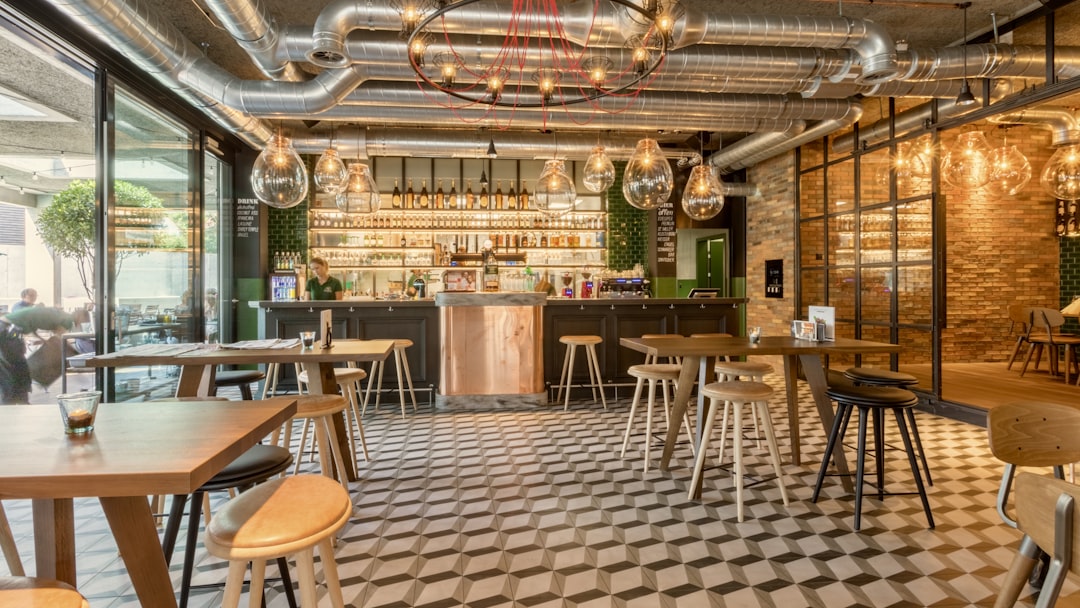
Monitor Performance and Adapt Your Strategy
Consistent monitoring of your digital performance and a willingness to adapt your restaurant marketing strategy are essential for sustained growth and effectively ranking a restaurant higher on Google.
SEO and digital marketing are not “set it and forget it” endeavors. Google’s algorithms change, customer preferences evolve, and new competitors emerge. To stay ahead, you need to regularly analyze your efforts and be prepared to make adjustments. This data-driven approach ensures your resources are always directed towards the most impactful activities.
Key Metrics to Monitor:
- Google Business Profile Insights: This tool (accessible through your GBP dashboard) provides invaluable data:
- How customers find you: Direct searches (searching for your business name) vs. Discovery searches (searching for a category, product, or service).
- Where customers view your business: Search results vs. Google Maps.
- Customer actions: Website visits, direction requests, phone calls.
- Photo views: How many times your photos have been viewed compared to competitors.
These insights directly tell you how well your local SEO for restaurants is performing.
- Website Analytics (Google Analytics): If you have Google Analytics installed on your website, you can track:
- Traffic sources: Where visitors are coming from (Google search, social media, direct).
- User behavior: Which pages they visit, how long they stay, and their bounce rate.
- Conversions: How many users make a reservation, place an order, or sign up for your newsletter.
- Online Review Volume and Sentiment: Track the number of new reviews you receive and the overall sentiment (average star rating). Look for trends in both positive and negative feedback.
- Keyword Rankings: While direct tracking of individual keyword rankings can be challenging, you can use tools to get an idea of where your website ranks for important local terms.
- Social Media Engagement: Monitor likes, shares, comments, and reach on your social media posts to understand what content resonates with your audience.
Adapting Your Strategy:
Based on your monitoring, you might need to make changes:
- If GBP direction requests are low: Double-check your address accuracy, ensure your location is clearly visible on Google Maps, and consider adding more exterior photos.
- If website bounce rate is high: Your website might be slow, not mobile-friendly, or the content isn’t relevant to what users are searching for.
- If review sentiment is declining: This is a critical red flag. Address operational issues immediately and reinforce staff training on customer service.
- If certain menu items consistently get mentioned in positive reviews: Feature them more prominently on your menu, website, and social media.
- If a new local competitor emerges: Analyze their online presence and identify areas where you can improve or differentiate yourself.
By consistently analyzing your data and being agile in your approach, you ensure your restaurant marketing efforts remain effective, helping you continually improve how to rank a restaurant higher on Google and maintain a competitive edge.
Next Steps to Grow Your Business
Implementing these strategies requires dedication, but the return on investment in terms of increased visibility and customer acquisition is substantial. Start with optimizing your Google Business Profile, as it offers the quickest wins for local search. Then, commit to a consistent review management process and begin refining your website. Gradually expand into social media and content marketing, always monitoring your results and adapting your approach. By taking these deliberate steps, your restaurant will not only climb higher in Google’s rankings but also build a stronger, more resilient presence in your local community.
Frequently Asked Questions
How long does it take to see results from SEO for restaurants?
SEO is a long-term strategy, and while some improvements from Google Business Profile optimization can be seen within weeks, more significant ranking changes and increased organic traffic typically take 3-6 months. Consistent effort in all areas is key for sustained results.
Do I need to pay for Google Ads to rank higher?
No, you do not need to pay for Google Ads (paid advertising) to rank higher in the organic search results. The strategies outlined here focus on “organic” or “free” SEO, which helps your restaurant appear naturally in search results. Google Ads can provide immediate visibility, but it’s separate from organic ranking.
What is the most important factor for local SEO for restaurants?
While all factors are interconnected, the most important factor for local SEO for restaurants is your Google Business Profile. An optimized, verified, and active GBP with a strong stream of positive reviews is foundational to ranking well in local search results and on Google Maps.
How often should I update my restaurant’s Google Business Profile?
You should update your Google Business Profile whenever there are changes to your business (hours, menu, services) and regularly post updates, specials, or events through the “Posts” feature. Aim for at least weekly engagement with posts and daily monitoring of reviews.
Want a free SEO article written for your business?
We’ll write 1 optimised article targeting keywords your competitors rank for. No card, no catch.
Get my free article →