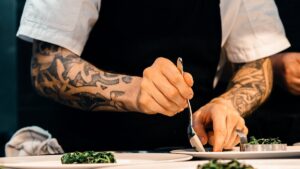
In today’s competitive culinary landscape, effective content marketing for restaurants is no longer an option but a necessity for attracting new customers and retaining existing ones.
The digital world offers unprecedented opportunities for restaurants to connect with their audience, showcase their unique offerings, and build a strong brand presence. From tantalizing food photography to engaging blog posts about local ingredients, a well-executed content marketing strategy can significantly boost your restaurant’s visibility and profitability. This guide will walk you through the essential elements of content marketing, with a strong focus on local SEO for restaurants, helping your establishment stand out in crowded markets like New York City or Los Angeles.
Understanding Content Marketing and Its Value for Restaurants
Content marketing involves creating and distributing valuable, relevant, and consistent content to attract and retain a clearly defined audience, ultimately driving profitable customer action.
For restaurants, this translates into a powerful strategy that goes beyond traditional advertising. Instead of simply pushing promotions, content marketing focuses on building relationships and establishing your restaurant as an authority and a beloved part of the community. Think about the last time you searched for “best pizza near me” or “romantic dinner spots in Miami.” The results you saw were heavily influenced by content marketing efforts, from blog posts raving about a specific dish to user-generated reviews with mouth-watering photos. This approach helps potential customers discover your restaurant naturally, often when they are already in the decision-making process.
- Increased Brand Awareness: Consistent, high-quality content keeps your restaurant top-of-mind.
- Improved Customer Engagement: Interactive content fosters a community around your brand.
- Enhanced Trust and Credibility: Informative content positions your restaurant as an expert in its niche.
- Better Search Engine Rankings: SEO-optimized content drives organic traffic to your website.
- Higher Conversion Rates: Engaged customers are more likely to visit and spend.
- Cost-Effectiveness: Compared to traditional advertising, content marketing often offers a higher return on investment over time.
Consider the journey of a potential customer. They might see a beautiful photo of your signature dessert on Instagram, then click through to your blog where you share the recipe’s origin story. This engagement builds a connection even before they step foot in your establishment. This is the power of content marketing in action, building anticipation and desire.
The Pillars of a Strong Restaurant Content Strategy
A successful content strategy for restaurants is built on understanding your audience, defining clear goals, and consistently producing high-quality, diverse content.
Before you even think about what to post, it’s crucial to understand who you’re trying to reach. Are you targeting families looking for casual dining, or foodies seeking a unique culinary experience? Your audience will dictate the tone, style, and platforms for your content. Once you know your audience, set measurable goals. Do you want to increase online reservations by 20%? Drive more foot traffic during weekdays? Improve your Google Business Profile rating? Clear goals will help you track your progress and refine your strategy.
Here are key content types to consider:
- High-Quality Food Photography and Videography: This is non-negotiable. Visually appealing images of your dishes, ambiance, and staff are crucial for platforms like Instagram, Facebook, and your website. Invest in professional photography if possible.
- Blog Posts: Share recipes, behind-the-scenes stories, interviews with your chef or local suppliers, tips for pairing food and wine, or articles about local food trends in cities like Denver or Portland.
- User-Generated Content (UGC): Encourage customers to share their experiences and photos. Reposting their content builds community and acts as social proof.
- Customer Reviews and Testimonials: Actively solicit and showcase positive reviews on your website and social media. Respond to all reviews, positive or negative, to show you care.
- Online Menus and Specials: Ensure your online menu is always up-to-date, easy to navigate, and visually appealing. Highlight daily specials or seasonal offerings prominently.
- Event Calendars and Promotions: Announce special events like live music nights, tasting menus, or holiday promotions well in advance.
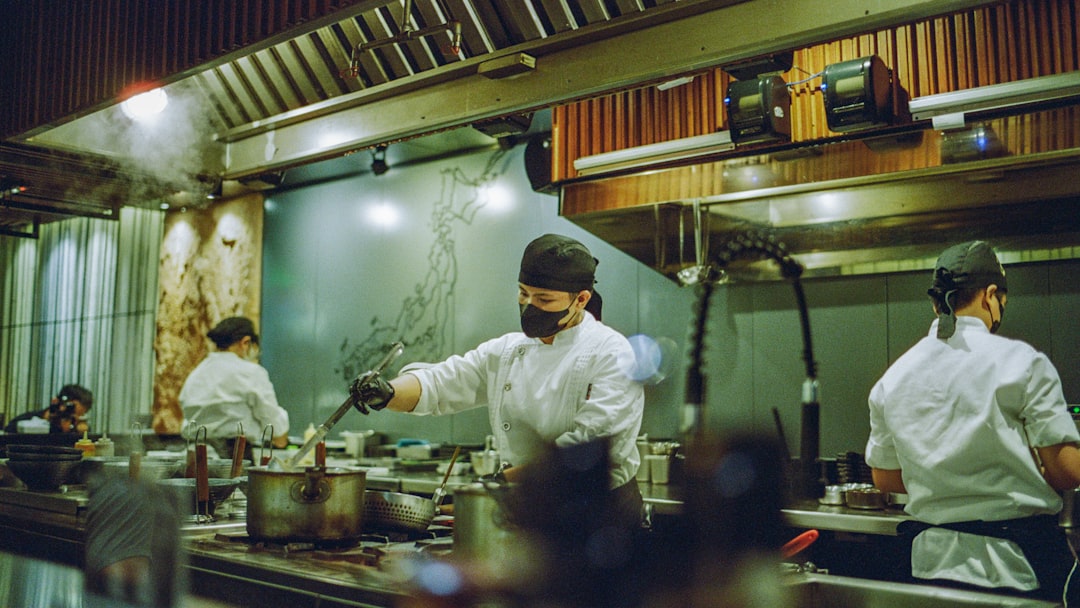
- Behind-the-Scenes Content: Showcasing your kitchen, your team, or the sourcing of your ingredients can build trust and connection with your audience.
- Short-Form Video Content: Platforms like TikTok and Instagram Reels are perfect for quick, engaging videos showcasing a dish being prepared, a cocktail being mixed, or a quick tour of your dining room.
“In the digital age, a restaurant’s online presence is as vital as its physical location. Engaging content is the bridge that connects hungry customers to their next great meal.”
Regularly auditing your content and analyzing its performance is also vital. Which posts get the most engagement? Which drives the most website traffic? Use these insights to continually refine your approach.
Local SEO for Restaurants: Dominating Your Neighborhood Search Results
Local SEO for restaurants is paramount, ensuring your establishment appears prominently when potential customers search for dining options in their immediate vicinity.
Imagine someone in Chicago searching for “Italian food near me.” If your Italian restaurant isn’t optimized for local search, you’re missing out on a significant number of potential customers who are ready to make a dining decision. Local SEO focuses on optimizing your online presence to attract business from local searches. It’s about making sure Google and other search engines know exactly where you are, what you offer, and why you’re a great choice for local diners.
Key components of local SEO:
- Google Business Profile (GBP) Optimization: This is your most critical local SEO tool. Claim and fully optimize your GBP listing.
- Accurate Information: Ensure your name, address, phone number (NAP), and website are consistent across all online platforms.
- Categories: Choose the most specific and relevant categories for your restaurant (e.g., “Mexican Restaurant,” “Vegan Cafe”).
- Photos: Upload high-quality photos of your food, interior, exterior, and team.
- Hours of Operation: Keep these updated, especially for holidays.
- Services/Menu: Link to your online menu and list key services.
- Reviews: Encourage customers to leave reviews and respond to every single one. Positive reviews significantly boost your local ranking.
- Citations and Directories: List your restaurant on relevant online directories like Yelp, TripAdvisor, OpenTable, and local business listings. Consistency in your NAP is key here.
- Location-Specific Keywords: Incorporate city and neighborhood names into your website content, blog posts, and even social media updates (e.g., “Best brunch in Austin,” “Vegan options in Silver Lake”).
- Mobile-Friendliness: Most local searches happen on mobile devices. Ensure your website is responsive and loads quickly on smartphones.
- Schema Markup: Implement structured data (schema markup) on your website to help search engines understand your restaurant’s details, such as menu items, prices, and reviews.
- Local Link Building: Seek opportunities to get links from local blogs, news sites, and community organizations. This builds authority for your local presence.
Consider the difference between a generic search and a localized one. A search for “sushi restaurant” is broad, but “sushi restaurant in Phoenix, AZ” is specific and indicates a higher intent to visit. By optimizing for these localized searches, you directly target customers who are actively looking for what you offer, right in your area.
Leveraging Social Media Platforms for Restaurant Marketing
Social media platforms are indispensable tools for restaurant marketing, offering direct engagement with customers and vast opportunities for visual storytelling.
Each social media platform has its unique strengths, and a smart restaurant marketing strategy utilizes them strategically. It’s not about being everywhere, but being effective where your target audience spends their time. For most restaurants, visual platforms are paramount due to the highly visual nature of food.
Here’s a breakdown of common platforms and their best uses:
|
Platform |
Primary Content Type |
Best For Restaurants |
|---|---|---|
|
High-quality photos, short videos (Reels), Stories |
Visual appeal of food, ambiance, behind-the-scenes, engaging with influencers, user-generated content. Essential for food photography. |
|
|
Photos, videos, links, events, groups, customer service |
Community building, event promotion, detailed posts, customer reviews, local groups, targeted advertising. |
|
| TikTok |
Short, engaging videos with music/trends |
Viral content, showcasing food prep, quick tours, trending challenges, appealing to younger demographics. |
|
Images, infographics, recipes, lifestyle boards |
Recipe sharing, showcasing menu items, catering ideas, interior design inspiration, broader lifestyle content. |
|
| YouTube |
Longer-form video content |
Cooking demos, chef interviews, restaurant tours, event highlights, brand storytelling, video ads. |
Remember to maintain a consistent brand voice across all platforms. Whether it’s playful, sophisticated, or casual, your social media presence should reflect your restaurant’s personality. Engage with comments, respond to messages, and participate in relevant conversations. Social media is a two-way street; simply posting content isn’t enough. Building a community involves interaction.
Consider running contests or promotions that require users to share your content or tag your restaurant. This can significantly expand your reach. For example, a “Tag a friend who loves tacos for a chance to win a free meal” contest can generate considerable buzz in a city like San Antonio, known for its vibrant food scene.
Email Marketing and Loyalty Programs: Nurturing Your Customer Base
Email marketing and loyalty programs are powerful tools for nurturing existing customer relationships, encouraging repeat visits, and driving ongoing engagement.
While attracting new customers is vital, retaining existing ones is often more cost-effective and leads to higher lifetime value. Email marketing allows for direct communication with your audience, bypassing algorithmic gatekeepers of social media. Loyalty programs, meanwhile, incentivize repeat business and make customers feel valued.
Email Marketing Best Practices:
- Build Your List: Encourage sign-ups on your website, through QR codes in your restaurant, or via social media. Offer an incentive like a discount on their next meal.
- Segment Your Audience: Tailor emails based on customer preferences or past orders. Do some customers only order takeout? Do others frequently visit for happy hour?
- Personalize Content: Use customer names and recommend dishes based on their past visits.
- Offer Exclusive Deals: Send special promotions, birthday discounts, or early access to new menu items to your email subscribers.
- Share Engaging Content: Don’t just send promotions. Share blog posts, chef interviews, upcoming event details, or stories about your restaurant’s journey.
- Consistent Scheduling: Don’t overwhelm subscribers, but also don’t let them forget about you. A weekly or bi-weekly newsletter often works well.
- Mobile-Friendly Design: Ensure your emails look great and are easy to read on mobile devices.
Developing Effective Loyalty Programs:
- Simple Structure: Make it easy for customers to understand how to earn and redeem rewards.
- Valuable Rewards: Offer rewards that genuinely appeal to your customers, whether it’s a free appetizer, a percentage off their bill, or exclusive access to events.
- Tiered Programs: For higher spenders, consider tiered loyalty programs that offer increasing benefits as they reach new levels.
- Digital Integration: Use a digital loyalty program (via an app or points system) for ease of tracking and redemption.
- Promote Heavily: Make sure your staff informs every customer about your loyalty program.
A well-designed loyalty program can turn casual diners into regulars. For instance, a coffee shop in Seattle might offer a “buy 9, get 1 free” loyalty card, while a fine dining establishment might offer exclusive tasting menu invites to their top patrons. Both effectively drive repeat business.
Measuring Success and Adapting Your Content Strategy
Regularly measuring the performance of your content marketing efforts is crucial for understanding what works, what doesn’t, and how to adapt your strategy for continuous improvement.
Without tracking, you’re essentially flying blind. Data provides insights into customer behavior, content effectiveness, and return on investment. It allows you to refine your approach, allocate resources more efficiently, and ensure your content marketing efforts are directly contributing to your restaurant’s growth.
Key metrics to track:
- Website Traffic: How many visitors are coming to your website? Where are they coming from (search engines, social media, direct)?
- Engagement Rates: On social media, look at likes, comments, shares, and saves. For blog posts, track time on page and bounce rate.
- Conversion Rates: How many website visitors are making a reservation, placing an online order, or signing up for your email list?
- Reach and Impressions: How many people are seeing your content?
- Google Business Profile Insights: Track views, calls, direction requests, and website clicks from your GBP listing.
- Online Reviews: Monitor the quantity and quality of reviews on platforms like Yelp, Google, and TripAdvisor.
- Email Open and Click-Through Rates: Are your subscribers opening your emails and clicking on the links within them?
- Return on Ad Spend (ROAS): If you’re running paid promotions, track how much revenue they generate compared to your investment.
Use tools like Google Analytics, social media insights, and your reservation/online ordering platform’s analytics to gather this data. Don’t be afraid to experiment with different types of content, posting times, or promotional strategies. What works for a casual diner in Orlando might be different from a high-end restaurant in San Francisco. The key is to analyze the results of your experiments and iterate.
For example, if you notice your blog post about “5 Must-Try Desserts in Your City” drives significantly more traffic and conversions than your “History of Our Restaurant” post, you know to focus more on listicles and food-centric content. This data-driven approach ensures your content marketing is always evolving and becoming more effective.
Next Steps to Grow Your Business
Start by auditing your current online presence and identifying immediate areas for improvement. Claim and optimize your Google Business Profile, ensuring all information is accurate and engaging. Then, brainstorm content ideas that align with your brand and target audience, focusing on high-quality visuals and local relevance. Finally, establish a consistent publishing schedule and commit to regularly analyzing your performance to refine your strategy.
Frequently Asked Questions
What is content marketing for a restaurant?
Content marketing for a restaurant involves creating and distributing valuable, relevant, and consistent content, such as high-quality food photos, blog posts, videos, and customer reviews, to attract, engage, and retain customers, ultimately driving profitable actions like reservations or orders.
How does local SEO help restaurants?
Local SEO helps restaurants by optimizing their online presence to appear prominently in search results for local queries, like “restaurants near me” or “best burgers in Boston.” This is primarily achieved through a fully optimized Google Business Profile, consistent NAP (Name, Address, Phone) information across online directories, and using location-specific keywords.
What types of content should a restaurant focus on?
Restaurants should focus on visually appealing content like professional food photography and videography, engaging blog posts (e.g., recipes, chef stories), user-generated content, customer reviews, and interactive social media posts. The goal is to showcase the unique dining experience and offerings.
How often should a restaurant post on social media?
The ideal posting frequency varies by platform and audience, but consistency is key. For most restaurants, aiming for 3-5 posts per week on Instagram and Facebook, with more frequent engagement in Stories or Reels, is a good starting point. TikTok often benefits from daily, short-form content. It’s more important to post high-quality, engaging content consistently than to post just for the sake of it.
Want a free SEO article written for your business?
We’ll write 1 optimised article targeting keywords your competitors rank for. No card, no catch.
Get my free article →