Understanding the Sports Chiropractor Niche in Your City
To effectively capture sports chiropractor patients, it’s crucial to first understand the unique needs and motivations of athletes seeking chiropractic care, and how your practice can fulfill those specific demands within your local market.
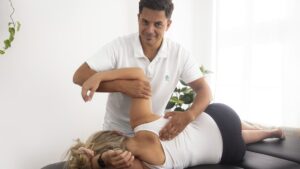
The world of sports is incredibly demanding on the human body, leading to a wide array of injuries, strains, and performance plateaus. From weekend warriors to high school athletes and even professional competitors, individuals engaged in physical activity often require specialized care that goes beyond general chiropractic adjustments. A sports chiropractor focuses on the musculoskeletal system in the context of athletic performance, injury prevention, and rapid recovery. This specialized approach makes them an invaluable resource for athletes looking to maintain peak physical condition, recover from injuries, or enhance their performance.
When you consider your city, whether it’s a bustling metropolis like Chicago, Illinois, or a more suburban area such as Scottsdale, Arizona, there’s a distinct athletic demographic. This demographic isn’t monolithic; it includes:
- Youth Sports Participants: Children and teenagers involved in school sports, club teams, and recreational leagues.
- Amateur and Recreational Athletes: Adults participating in marathons, triathlons, CrossFit, golf, tennis, cycling, and various team sports.
- College Athletes: Students at local universities or community colleges competing at various levels.
- Professional Athletes: While rarer, some cities host professional teams or individual athletes who might seek specialized care.
Identifying these groups and understanding their specific sports and associated injury patterns is the first step in tailoring your services and marketing efforts. For instance, a city with a strong running culture will have different chiropractic needs than one dominated by contact sports. Your practice’s ability to speak directly to these needs will significantly improve your chances of attracting these patients.
Building a Strong Online Presence: How to Rank for “Sports Chiropractor Near Me”
A robust online presence is essential for capturing local sports chiropractor patients, with a primary focus on optimizing for local search terms like “sports chiropractor near me” to ensure your practice appears prominently when athletes are searching for help.
In today’s digital age, when an athlete experiences discomfort or seeks performance enhancement, their first instinct is often to search online. Google’s local search algorithm prioritizes businesses that are geographically relevant and have strong online signals. To rank effectively, a multi-faceted approach to local SEO is necessary.
Key components include:
- Google Business Profile (GBP) Optimization: This is arguably the most critical tool for local search.
- Complete all sections: Ensure your business name, address, phone number (NAP), website, hours of operation, and services are fully and accurately listed.
- Categorization: Select “Chiropractor” as your primary category, and add secondary categories like “Sports Medicine Clinic” or “Physical Therapist” if applicable to broaden your reach.
- Photos: Upload high-quality photos of your clinic, staff, and even images showing sports-related treatments.
- Reviews: Actively encourage patients to leave positive reviews. Respond to all reviews, both positive and negative, professionally and promptly. Positive reviews are a powerful trust signal for both potential patients and search engines.
- Website Optimization: Your website needs to be fast, mobile-friendly, and rich with content relevant to sports chiropractic.
- Keyword Integration: Naturally weave terms like “sports chiropractor,” “athletic chiropractor,” “sports injury chiropractor,” and your city/state into your website’s headings, body text, and meta descriptions.
- Service Pages: Create dedicated pages for specific sports-related conditions or treatments, such as “Runner’s Knee Treatment in Denver, Colorado” or “Shoulder Pain Relief for Swimmers in Orlando, Florida.”
- Blog Content: Regularly publish blog posts addressing common sports injuries, prevention tips, and performance enhancement strategies. This establishes your authority and provides fresh content for search engines.
- Schema Markup: Implement local business schema markup to help search engines better understand your business’s information and display it effectively in search results.
- Consistent NAP Citations: Ensure your Name, Address, and Phone number are identical across all online directories (Yelp, Healthgrades, Yellow Pages, etc.). Inconsistencies can confuse search engines and harm your local ranking.
“In the competitive landscape of healthcare, visibility is paramount. For a sports chiropractor, mastering local SEO isn’t just about showing up in searches; it’s about being the first and most trusted option for an athlete in pain or seeking to improve their game.”
Crafting Compelling Content for Athletic Chiropractor Marketing
To attract and engage athletes, your marketing content must be highly relevant, informative, and speak directly to their concerns about performance, injury, and recovery, showcasing your expertise as an athletic chiropractor.
Athletes are a discerning audience. They want to know you understand their specific challenges and can offer tangible solutions. Generic health advice won’t cut it. Your content needs to demonstrate a deep understanding of biomechanics, sports-specific injuries, and recovery protocols. This is where your athletic chiropractor marketing truly shines.
Consider the types of content that resonate:
- Injury-Specific Guides: Detailed articles or videos on common sports injuries (e.g., “Understanding Hamstring Strains for Runners,” “Preventing Rotator Cuff Injuries in Baseball Players”).
- Performance Enhancement Tips: Content focusing on how chiropractic care can improve flexibility, balance, power, and range of motion.
- Recovery Strategies: Information on post-workout recovery, managing soreness, and accelerating rehabilitation after injury.
- Testimonials and Case Studies: Real-life stories from athletes you’ve helped, highlighting their journey from injury to recovery or improved performance. Video testimonials are especially powerful.
- “Meet the Doctor” Profiles: Introduce your team, emphasizing any sports-specific certifications, personal athletic backgrounds, or experiences working with sports teams.
When creating this content, think about the specific sports prevalent in your city. If your community is big on high school football, content around concussion protocols and preventative spine care for contact sports will be highly valuable. If cycling is popular, focus on neck pain, lower back issues, and hip mobility for cyclists. Use strong, action-oriented language that resonates with athletes.
Strategic Partnerships and Community Engagement for Patient Acquisition
Forging strategic partnerships and actively engaging with the local sports community are vital strategies for a sports chiropractor to build trust, gain referrals, and directly connect with potential patients.
While digital marketing is crucial, offline engagement remains incredibly effective for building a local reputation. Athletes often trust recommendations from coaches, trainers, and fellow athletes. By becoming an integral part of the local sports ecosystem, you can position your practice as the go-to resource for athletic care.
Consider these partnership opportunities:
- Local Sports Teams: Offer your services to high school, college, or amateur sports teams. This could involve pre-season screenings, sideline support, or educational workshops on injury prevention.
- Gyms and Fitness Centers: Partner with local gyms, CrossFit boxes, yoga studios, and personal trainers. Offer joint workshops, referral programs, or even on-site consultations.
- Running Clubs and Event Organizers: Sponsor local races, marathons, or cycling events. Set up a booth offering free posture screenings, quick adjustments, or injury advice.
- Physical Therapists and Orthopedic Surgeons: Build relationships with other healthcare providers who may refer patients to you for complementary care.
- Sports Retail Stores: Collaborate with local sports equipment stores to offer educational materials or host joint events.
Community engagement also involves more direct interaction:
- Workshops and Seminars: Host free educational sessions on topics like “Preventing Running Injuries,” “Optimizing Golf Swing Biomechanics,” or “Concussion Awareness for Youth Sports.”
- Health Fairs: Participate in local health and wellness fairs to meet potential patients face-to-face.
- Social Media Groups: Engage with local sports-specific Facebook groups or online forums, offering helpful advice (without self-promotion) to establish yourself as an expert.
These efforts not only bring in new patients but also solidify your reputation as a trusted authority in sports chiropractic within your community.
Leveraging Digital Advertising to Target Sports Enthusiasts
Beyond organic search, targeted digital advertising campaigns can efficiently reach athletes and sports enthusiasts in your city, driving immediate traffic and patient inquiries for your sports chiropractor practice.
While SEO builds long-term visibility, paid advertising offers immediate exposure and precise targeting capabilities. Platforms like Google Ads and social media advertising (Facebook, Instagram) allow you to pinpoint your ideal athletic patient demographic.
Google Ads
For Google Ads, focus on keywords that indicate intent. People searching on Google are actively looking for solutions. Bid on terms like:
- “sports chiropractor “
- “athletic injury clinic “
- “chiropractor for runners “
- “back pain relief for athletes “
Create compelling ad copy that highlights your specialization in sports injuries, quick recovery times, and performance enhancement. Use call extensions to allow immediate phone calls and location extensions to show your proximity.
Social Media Advertising
Social media platforms excel at audience targeting. You can define your audience based on:
- Interests: Target users interested in specific sports (e.g., “marathon running,” “CrossFit,” “youth soccer,” “golf”).
- Demographics: Age, gender, income level (if relevant for certain sports).
- Behaviors: People who have recently engaged with sports-related content or visited sports websites.
- Location: Crucially, narrow your audience to your specific city and surrounding areas.
Your social media ads should feature engaging visuals of athletes in action, testimonials, or short videos explaining how chiropractic care benefits specific sports. Drive traffic to dedicated landing pages on your website that clearly outline your sports chiropractic services and include a strong call to action, such as “Book Your Consultation Now.”
Measuring Success and Adapting Your Athletic Chiropractor Marketing Strategy
Continuously tracking your marketing efforts and analyzing the results is crucial for understanding what works, optimizing your athletic chiropractor marketing spend, and refining your patient acquisition strategies for sustained growth.
Without measurement, you’re essentially flying blind. It’s important to set up tracking mechanisms for all your marketing initiatives to understand your return on investment (ROI). This allows you to allocate resources effectively and make data-driven decisions.
Key metrics to track include:
- Website Traffic: Monitor visitors to your sports chiropractic service pages and blog posts. Where are they coming from (organic search, social media, ads)?
- Keyword Rankings: Track your position in search results for key terms like “sports chiropractor near me” and other athletic-specific keywords.
- Google Business Profile Insights: Analyze how many people found your business through Google Search or Maps, how many requested directions, called, or visited your website.
- Conversion Rates: How many website visitors or ad clicks result in a phone call, appointment request, or form submission?
- Patient Acquisition Cost (PAC): How much does it cost to acquire a new sports chiropractic patient through each marketing channel?
- Referral Sources: Track where new patients are hearing about your practice (online search, specific gym, coach referral, existing patient).
Use tools like Google Analytics, Google Search Console, and your Google Business Profile insights to gather this data. Regularly review these metrics, perhaps monthly or quarterly, to identify trends and areas for improvement. For instance, if a specific ad campaign isn’t performing well, pause it and reallocate the budget. If a particular blog post is driving significant traffic, create more content around similar topics.
Here’s a comparison of common marketing channels and their typical focus:
|
Marketing Channel |
Primary Goal |
Key Metrics to Track |
|---|---|---|
| Local SEO (GBP, Website) |
Long-term organic visibility, local search dominance |
Keyword rankings, organic traffic, GBP actions (calls, directions) |
| Content Marketing (Blog) |
Thought leadership, educate patients, attract organic traffic |
Page views, time on page, social shares, conversions from content |
| Paid Search (Google Ads) |
Immediate visibility, targeted leads with high intent |
Clicks, impressions, conversion rate, cost per conversion |
| Social Media Marketing |
Brand awareness, community engagement, targeted outreach |
Reach, engagement rate, click-through rate, lead generation |
| Community Partnerships |
Referrals, local reputation, direct patient interaction |
Number of referrals, event attendance, new patient bookings |
By understanding what’s working and what isn’t, you can continuously refine your strategy to maximize your impact and capture more sports chiropractor patients in your local market.
Next Steps to Grow Your Business
To successfully grow your sports chiropractic practice, start by auditing your current online presence, specifically your Google Business Profile and website, to ensure they are fully optimized for local search. Then, identify the dominant sports and athletic communities in your city and begin planning targeted content and outreach efforts. Finally, establish a system for tracking your marketing results so you can make informed decisions and continuously improve your patient acquisition strategies.
Frequently Asked Questions
How long does it take to rank for “sports chiropractor near me”?
Ranking for local search terms like “sports chiropractor near me” can vary significantly. Factors include the competitiveness of your city, the current strength of your online presence, and the consistency of your SEO efforts. Generally, you can expect to see initial improvements within 3-6 months, with more substantial ranking gains often taking 6-12 months of sustained optimization.
What’s the most effective way to get referrals from local sports teams?
The most effective way to get referrals from local sports teams is to build genuine relationships with coaches, athletic directors, and trainers. Offer to provide free injury screenings, educational workshops on injury prevention, or even complimentary adjustments for staff. Demonstrating your expertise and commitment to their athletes’ well-being will build trust and naturally lead to referrals.
Should I focus on all sports or specialize in a few?
While it’s beneficial to have a broad understanding of sports injuries, specializing in a few key sports prevalent in your city can be highly advantageous. This allows you to tailor your expertise, equipment, and marketing more precisely, making you the go-to expert for those specific athletic communities. For example, if your city has a large running population, becoming known as the “running injury chiropractor” can be a strong differentiator.
Want a free SEO article written for your business?
We’ll write 1 optimised article targeting keywords your competitors rank for. No card, no catch.
Get my free article →